
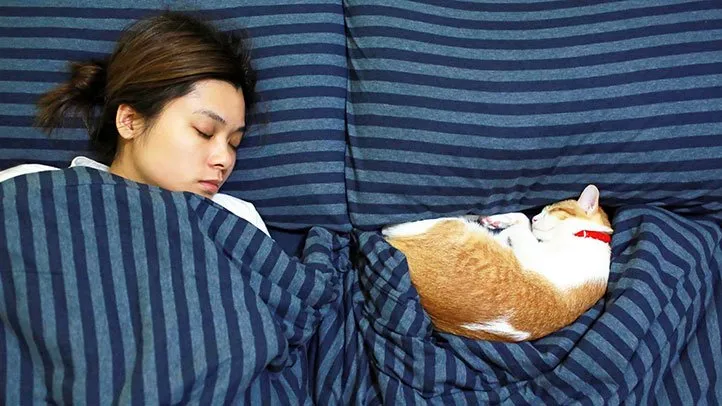
If you suffer from frequent headaches or migraines, your sleep—or lack of it—might be to blame. At Bodyworx Health Clinic, we often see patients who overlook how powerful quality sleep is in preventing and reducing head pain. Research shows that poor sleep is both a common trigger and amplifier of headaches and migraines.
Let’s explore the sleep-headache connection and how improving your sleep could lead to fewer painful episodes.
How Sleep Affects Headaches and Migraines
Sleep is essential for brain recovery, hormone regulation, and pain control. When your sleep is irregular or poor in quality, it can disrupt how your brain processes pain, increasing the likelihood of headaches.
Here’s how sleep affects headache and migraine risk:
- Decreased pain threshold: The brain becomes more sensitive to pain when sleep-deprived.
- Hormonal imbalance: Disrupted melatonin and serotonin levels are common in migraine sufferers.
- Increased inflammation: Poor sleep promotes inflammation, which can trigger migraines.
- Muscle tension: Bad sleep posture or lack of restorative sleep causes neck and shoulder tension—key contributors to tension-type headaches.
Common Sleep-Related Headaches
Several types of headaches are directly associated with sleep patterns:
1. Morning Headaches
Often caused by poor sleep posture, teeth grinding, or sleep apnea. These tend to feel dull and persistent upon waking.
2. Hypnic Headaches
Also known as “alarm clock” headaches, these occur during sleep and typically wake the person at the same time each night.
3. Migraines Triggered by Oversleep or Sleep Loss
Disrupted sleep schedules—either not enough or too much—can trigger migraines due to circadian rhythm imbalances.
Sleep Disorders Linked to Headaches
Certain sleep disorders significantly increase the risk of chronic headaches:
- Insomnia: The most common sleep complaint among migraine sufferers.
- Sleep Apnea: Interrupted breathing during sleep can cause oxygen drops, which increase headache frequency.
- Restless Leg Syndrome (RLS): The constant urge to move disrupts deep sleep stages, impairing recovery.
If you experience snoring, gasping for air at night, or waking feeling unrefreshed, a sleep study may be recommended.
Signs Your Headaches Might Be Sleep-Related
- You wake up with a headache
- You struggle to fall or stay asleep
- Your migraines worsen with irregular sleep
- You feel groggy, foggy, or stiff in the mornings
- You notice weekend “sleep-in” migraines
Tracking symptoms in a headache diary can help uncover these patterns—ask us at Bodyworx for a fillable version.
Tips to Improve Sleep and Reduce Headaches
The best migraine treatment is prevention—and that often starts with better sleep hygiene.
✅ Stick to a Sleep Schedule
Go to bed and wake up at the same time daily, even on weekends. Consistency supports a stable circadian rhythm.
✅ Wind Down Before Bed
Avoid screens at least 1 hour before bedtime. Instead, read a book, stretch, or take a warm bath to signal your body it’s time to rest.
✅ Create a Sleep-Friendly Environment
- Keep your room cool (16–18°C)
- Use blackout curtains or an eye mask
- Minimize noise with earplugs or white noise
- Choose a supportive pillow to reduce neck strain
✅ Watch What You Eat and Drink
- Avoid caffeine after 2 p.m.
- Limit alcohol, which disrupts sleep stages
- Don’t go to bed overly hungry or full
✅ Stay Active—But Not Too Late
Daytime physical activity improves sleep quality, but try not to exercise vigorously within 2–3 hours of bedtime.
Natural Sleep Aids That Can Support Headache Relief
If you struggle to sleep, certain natural remedies may help—and some also support headache prevention:
- Magnesium: Calms the nervous system and reduces muscle tension
- Melatonin: Helps reset circadian rhythm, especially after jet lag or shift work
- Lavender oil: A few drops on the pillow or in a diffuser can aid relaxation
- Chamomile tea: A gentle herbal aid for calming the body and mind
Talk to a healthcare professional before combining supplements, especially if you take regular medications.
Posture and Pillow: A Hidden Culprit in Headache Triggers
Many people unknowingly trigger headaches with poor sleep posture. Sleeping in a twisted neck position or on an unsupportive pillow can strain the trapezius and levator scapulae muscles, which are common sources of referred head pain.
At Bodyworx, we recommend:
- A contoured memory foam pillow
- Side sleeping with a pillow between the knees for spinal alignment
- Avoiding sleeping on your stomach, which strains the neck
How Bodyworx Can Help
At Bodyworx Health Clinic in Totton, we treat the musculoskeletal and neurological roots of headaches. If poor sleep posture, muscular tension, or stress are affecting your rest and triggering pain, our tailored therapies can help:
- Chiropractic adjustments to reduce nerve irritation
- Soft tissue therapy for tight neck and shoulder muscles
- Postural assessments and sleep setup advice
- Headache diaries and lifestyle tracking
- Nutritional advice, including magnesium and sleep supplements
Our approach is holistic and drug-free—focusing on long-term relief, not just symptom masking.
Conclusion: Sleep Smarter for Fewer Headaches
Sleep is one of the most powerful tools in your headache and migraine prevention toolkit. When you improve the quality, consistency, and posture of your sleep, your brain and body are better equipped to fight off pain.
At Bodyworx, we believe healing starts with the basics—and sleep is foundational. If you’re dealing with frequent headaches or migraines, book a consultation today and let’s build your personalised treatment plan.